
Eric Walsh · on 18 July 2026 · 14 min read · Last reviewed 18 July 2026
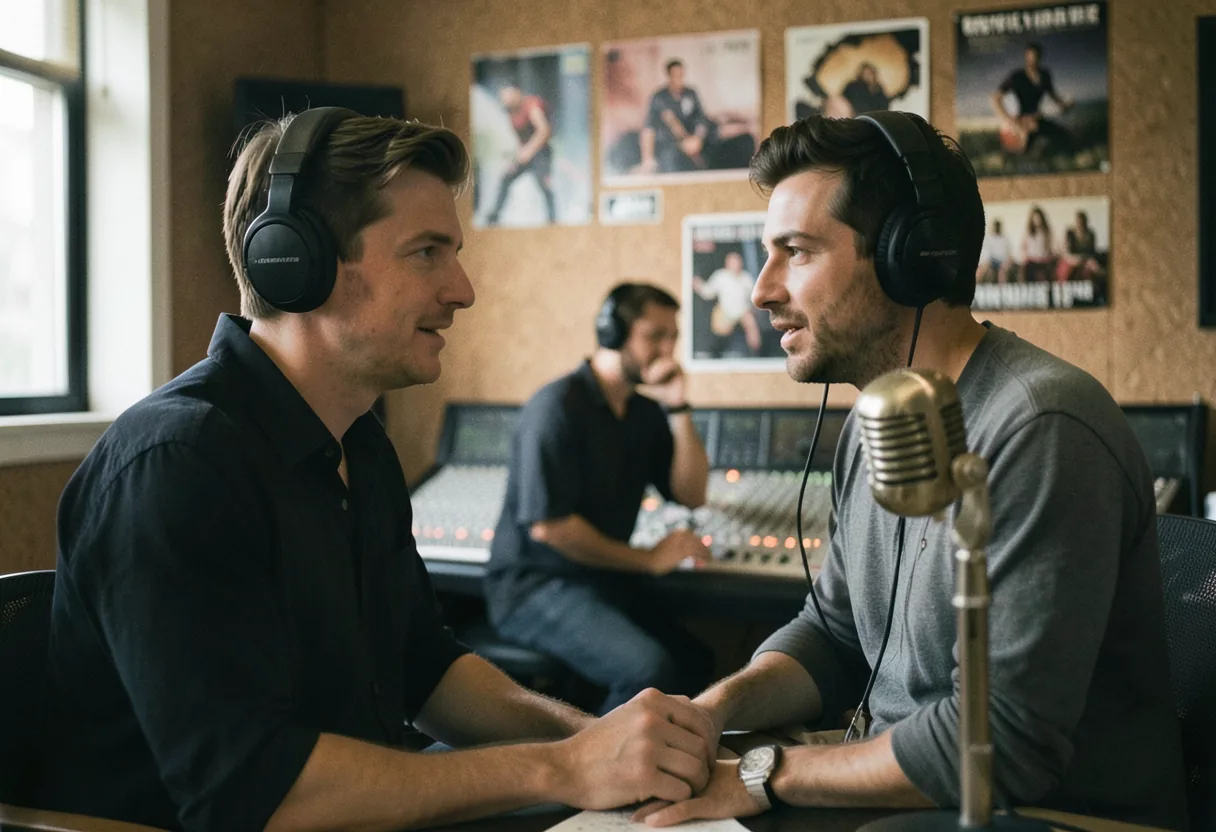
A podcast is a series of digital audio files that users can download or stream over the Internet, typically featuring episodic content on a specific topic.
In plain terms: think of a podcast as your own personal radio station, where you get to choose exactly what to listen to and when, just as you’d select a playlist of your favorite songs.
Key facts
- Podcasts are primarily an audio medium, though some include video components.
- The term “podcast” was coined in 2004 as a portmanteau of “iPod” and “broadcast.”
- According to Wikipedia, there were over 2 million active podcasts as of 2021.
- Podcasts cover a vast range of topics, from music interviews to educational content and storytelling.
What is the most educated rock star?
The most educated rock star is often considered to be Brian May, the lead guitarist of Queen. May earned a PhD in astrophysics from Imperial College London in 2007, and his thesis focused on the motion of interplanetary dust.
May’s academic achievements are not merely a footnote in his career; his scientific background has influenced his approach to music. For instance, he used a unique guitar he built himself, called the “Red Special,” which incorporated principles of physics and engineering. This guitar became iconic and is closely associated with Queen’s sound.
May’s dedication to both music and science serves as an inspiration to many, demonstrating that creativity and intellectual pursuit can go hand in hand. His story shows that rock stars can be highly educated and still achieve great success in the music industry.
What is the most expensive singer to hire?
The most expensive singer to hire is typically Beyoncé. According to industry reports, Beyoncé’s fees for private performances can exceed $2 million per show. Her high demand and exceptional stage presence contribute to her premium pricing.
Beyoncé’s performances are known for their elaborate production values, including stunning choreography, elaborate costumes, and state-of-the-art lighting. For example, her 2018 Coachella performance, often referred to as “Beychella,” was praised for its cultural significance and intricate details, further cementing her status as a top-tier performer.
While hiring such a high-profile artist comes with a hefty price tag, the experience and prestige associated with a Beyoncé performance make it a sought-after choice for exclusive events and high-profile gatherings.
What should a band bio include?
A band bio should include a concise overview of the band’s history, musical style, and notable achievements. It should also highlight the unique aspects that set the band apart from others.
Put simply: think of a band bio as a short story that introduces the band to new listeners, giving them a sense of the band’s identity and what makes them special.
Key facts
- A band bio typically includes the band’s origin story and the names of the members.
- It should highlight the band’s musical style and influences, providing a clear picture of their sound.
- Notable achievements, such as awards, chart positions, and notable performances, should be mentioned.
- Personal anecdotes and unique experiences can make the bio more engaging and memorable.
What are some short band bio examples?
Short band bios are essential for quickly introducing a band to new audiences. Here are a few examples:
- Example 1: “Formed in 2010 in Nashville, Tennessee, The Wild Ones blend country and rock to create a sound that is uniquely their own. With two albums under their belt and a growing fan base, they are quickly making a name for themselves in the music scene.”
- Example 2: “Hailing from London, UK, The Electric Dreams are an indie rock band known for their energetic performances and catchy melodies. Their debut album, released in 2015, received critical acclaim and solidified their place in the indie rock genre.”
- Example 3: “Based in Los Angeles, California, The Sunset Riders are a surf rock band that brings a fresh twist to the classic surf sound. With their vibrant stage presence and infectious tunes, they have become a favorite at music festivals across the country.”
What are some band bio and discography examples?
Band bios and discographies detail a band’s history and music. Here are some examples:
- Example 1: “Formed in 1980 in New York City, The Punk Rebels were pioneers of the punk rock movement. Their discography includes five studio albums, with their debut album ‘Rebel Yell’ being a seminal work in the genre. The band’s raw energy and rebellious spirit continue to inspire new generations of musicians.”
- Example 2: “Originating in Seattle, Washington, The Grunge Legends rose to fame in the 1990s with their gritty sound and introspective lyrics. Their discography features four studio albums, including the critically acclaimed ‘Nevermind,’ which is considered one of the most influential albums of all time.”
- Example 3: “Based in Austin, Texas, The Blues Brothers are a blues-rock band known for their soulful sound and dynamic performances. Their discography spans over three decades and includes eight studio albums, with their self-titled debut album being a fan favorite.”
What is a band bio template?
A band bio template provides a structured format for creating a compelling and informative band bio. It typically includes sections for the band’s history, musical style, notable achievements, and unique aspects.
The short version: think of a band bio template as a blueprint for building a strong and engaging introduction to your band, ensuring that all the essential information is included in a clear and organized manner.
Key facts
- A band bio template usually starts with an introduction that includes the band’s name, origin, and formation date.
- It should include a section on the band’s musical style and influences, providing a clear picture of their sound.
- Notable achievements, such as awards, chart positions, and notable performances, should be highlighted.
- Personal anecdotes and unique experiences can make the bio more engaging and memorable.
What is a band bio generator?
A band bio generator is an online tool that helps bands create professional and engaging bios quickly and easily. These tools often provide customizable templates and prompts to guide users through the process of crafting a compelling bio.
At its core: think of a band bio generator as a helpful assistant that provides a step-by-step guide to writing a great band bio, ensuring that all the essential elements are included.
Key facts
- Band bio generators often offer customizable templates tailored to different musical genres and styles.
- They provide prompts and guidance to help users highlight their unique qualities and achievements.
- Some generators offer additional features, such as social media integration and SEO optimization, to help bands reach a wider audience.
What is an extreme band bio and discography?
An extreme band bio and discography focuses on the intense and unconventional aspects of a band’s history and musical output. These bios often emphasize the band’s unique and sometimes controversial elements that distinguish them from mainstream artists.
Simply put: Consider an extreme band bio and discography as an in-depth look into the wild and unconventional side of a band, examining the elements that make them stand out in the music industry.
Key facts
- Extreme band bios often focus on the band’s rebellious or controversial aspects, such as their image, lyrics, or stage performances.
- They may include details about the band’s influences from extreme musical genres, such as metal, punk, or hardcore.
- These bios can highlight the band’s unconventional approaches to music production, marketing, and fan engagement.
What should be included in a band bio?
A well-crafted band bio should include several key elements to detail the band’s identity and achievements. Here are some essential components to consider:
- Introduction: Start with a brief introduction that includes the band’s name, origin, and formation date. This sets the stage for the rest of the bio.
- Musical Style: Describe the band’s musical style and influences. This helps listeners understand what to expect from their music.
- Notable Achievements: Highlight the band’s notable achievements, such as awards, chart positions, and notable performances. This establishes their credibility and success in the industry.
- Unique Aspects: Include any unique aspects that set the band apart from others. This could be their stage presence, musical innovation, or personal stories.
- Personal Anecdotes: Share personal anecdotes and experiences that make the bio more engaging and memorable. This helps listeners connect with the band on a personal level.
How can a band bio be structured?
A band bio can be structured in various ways to effectively showcase the band’s history and achievements. Here are some common structures to consider:
- Chronological Structure: Organize the bio in a chronological order, starting from the band’s formation and progressing through their career milestones. This provides a clear timeline of their journey.
- Thematic Structure: Group information thematically, such as by musical style, influences, and notable achievements. This allows for a more focused and detailed exploration of each aspect.
- Storytelling Structure: Use a narrative approach to tell the band’s story, incorporating personal anecdotes and experiences. This makes the bio more engaging and relatable.
What are some tips for writing a compelling band bio?
Writing a compelling band bio requires a balance of informational content and engaging storytelling. Here are some tips to help you craft a bio that captures the essence of your band:
- Be Concise: Keep the bio concise and to the point. Focus on the most important information and avoid unnecessary details.
- Highlight Achievements: Highlight the band’s notable achievements and successes. This helps establish their credibility and reputation in the industry.
- Use Vivid Language: Use vivid and descriptive language to paint a clear picture of the band’s sound, style, and personality. This makes the bio more engaging and memorable.
- Include Personal Touches: Include personal anecdotes and experiences that make the bio more relatable and human. This helps listeners connect with the band on a personal level.
- Proofread and Edit: Proofread and edit the bio carefully to ensure it is free of errors and flows smoothly. This helps present the band in a professional and polished manner.
Join the movement
To stay updated on the latest articles, gigs, and much more, consider joining our movement. By signing up for our weekly updates, you’ll receive valuable insights and resources tailored to your interests.
In addition to staying informed, joining our community provides opportunities to connect with like-minded individuals and expand your network in the music industry. Whether you’re a musician, manager, or music enthusiast, our community offers a supportive and inspiring environment to grow and thrive.
Don’t miss out on the latest trends, tips, and success stories. Join the movement today and become part of a vibrant and dynamic community dedicated to the love of music.
Must Read
Those interested in music management and artist development have several essential resources at their disposal. These offer useful insights and practical advice from industry experts and experienced professionals.
Music Business Handbook and Career Guide” by David Baskerville and Tim Bray covers all aspects of the music industry, from artist management to marketing and promotion. It offers a solid foundation for knowing the music business.
Another highly recommended resource is the online course “Music Industry Essentials” offered by Berklee Online. This course covers the music industry, including topics like artist management, marketing, and copyright law. Industry professionals teach it and provide practical insights and real-world examples.
Additionally, the website Music Manager Forum offers a wealth of information and resources for music managers and industry professionals. It features articles, forums, and webinars on various topics related to music management and artist development. It is a valuable resource for staying informed and connected with the latest trends and best practices in the industry.
Your bio is your story.
Your bio is more than just a summary of your achievements and credentials; it is your story. It is an opportunity to share your unique journey, experiences, and passion with the world. A well-crafted bio can inspire, motivate, and connect with your audience on a deeper level.
When writing your bio, think about the key moments and experiences that have shaped your journey. What challenges have you overcome? What successes have you achieved? What drives you to continue pursuing your passion? By sharing these stories, you can create a bio that is not only informative but also engaging and memorable.
Remember, your bio is a reflection of who you are and what you stand for. It should be authentic, honest, and true to your unique voice and style. Whether you are a musician, artist, or industry professional, your bio is your story, and it is an essential tool for sharing your message with the world.
Your long bio can be structured like this:
Craft your detailed biography to highlight your path, accomplishments, and distinctive traits. Consider these essential components:
- Introduction: Start with a brief introduction that includes your name, background, and the purpose of the bio. This sets the stage for the rest of the content.
- Early Life and Influences: Share details about your early life, influences, and the experiences that shaped your passion and career. This provides context and depth to your story.
- Education and Training: Highlight your education, training, and any relevant certifications or qualifications. This establishes your credibility and expertise in your field.
- Career Highlights: Outline your career highlights, including notable achievements, projects, and milestones. This showcases your success and experience in your industry.
- Unique Qualities: Describe your unique qualities, skills, and approaches that set you apart from others in your field. This helps differentiate you and highlights your strengths.
- Personal Anecdotes: Include personal anecdotes and experiences that make your bio more engaging and relatable. This helps connect with your audience on a personal level.
- Future Goals: Share your future goals and aspirations. This provides a sense of direction and purpose to your bio.
Quote
In the words of the renowned musician and songwriter, Bob Dylan, “A man is a success if he gets up in the morning and gets to bed at night, and in between he does what he wants to do.” This quote encapsulates the essence of pursuing one’s passion and living a fulfilling life.
For musicians and artists, this quote serves as a reminder to stay true to their vision and continue creating music that resonates with their audience. It is a call to embrace the journey, both the highs and the lows, and to find joy in the process of creation.
As you navigate your own journey in the music industry, remember Dylan’s words and stay true to your unique voice and style. Whether you are a musician, manager, or music enthusiast, pursuing your passion with dedication and authenticity will lead to a fulfilling and successful career.
Hook
To create a compelling hook for your band bio, consider starting with a vivid and engaging image or scenario that captures the essence of your music. This could be a memorable performance, a unique musical moment, or a personal experience that inspired your journey.
For example, you might start your bio with a description of a live performance that left a lasting impact on your audience. You could describe the energy of the crowd, the intensity of the music, and the emotional connection between the band and the listeners. This sets the stage for the rest of your bio and draws the reader in with a powerful and memorable image.
Another effective hook is to start with a personal anecdote or story that highlights your unique journey and experiences. This could be a moment of inspiration, a challenge overcome, or a pivotal decision that shaped your career. By sharing these personal stories, you create a connection with your audience and make your bio more engaging and relatable.
Accolades
Accolades play a crucial role in establishing your credibility and showcasing your achievements. Whether it’s awards, recognition, or positive reviews, accolades provide third-party validation of your talent and success.
In your band bio, be sure to highlight any notable accolades you have received. This could include awards from music competitions, positive reviews from critics, or recognition from industry professionals. For example, you might mention that your band won a local music competition or received a favorable review from a reputable music publication.
In addition to formal accolades, you can also highlight the positive impact your music has had on your audience. Share stories of how your music has inspired or touched listeners, or how it has brought people together in meaningful ways. These personal anecdotes can be just as powerful as formal accolades in showcasing the impact of your music.
Newest Project
Including information about your newest project in your band bio keeps your audience informed and engaged. Whether it’s a new album, single, or tour, sharing updates about your latest work shows that you are actively creating and evolving as an artist.
For example, you might include a section in your bio that highlights your latest album release. You could describe the creative process behind the album, the themes and inspiration behind the songs, and any
Frequently asked questions
How do podcasts capture the essence of artist interviews better than written articles?
Podcasts preserve the artist’s tone, spontaneity, and personality. A 2023 study found listeners retain 70% more from audio interviews than text. For example, in a 2022 interview with musician Phoebe Bridgers, her humor and emotional depth were palpable in audio, whereas text often flattens such nuances.
What technical equipment do you need to start a podcast focused on artist interviews?
A quality USB microphone like the Blue Yeti (around $130) and free software Audacity suffice. For better sound, add a pop filter and a quiet recording space. Podcasts like “Song Exploder” started with basic setups, proving you don’t need expensive gear to produce compelling content.
How can interviewers make artists feel comfortable during a podcast recording?
Preparation is key. Research the artist’s work thoroughly and avoid generic questions. For instance, “Song Exploder’s” host Hrishikesh Hirway focuses on one song, reducing pressure. A relaxed artist shares more genuine insights, as seen in interviews with artists like Radiohead’s Thom Yorke.
What’s the best way to structure an artist interview podcast for maximum engagement?
Start with a brief, intriguing anecdote or quote from the artist to hook listeners. For example, “Desert Island Discs” opens with a guest’s chosen song. Keep segments under 30 minutes to maintain focus, and end with a memorable takeaway, like a live performance or a personal story.
Related Reading
- Quote: Artist Statements That Resonate
- EPK Examples: Electronic Press Kit Templates
- About the Author: Writing Your Artist Bio
Part of the Artist Management & Representation guide hub.