
Eric Walsh · on 18 July 2026 · 9 min read · Last reviewed 18 July 2026
Indie on the move refers to the independent touring strategies that emerging bands use to build their fanbase, refine their live performance, and launch new projects without relying on major record labels or traditional booking agencies.
In plain terms: Imagine indie on the move as a band’s DIY road trip, where every stop is a chance to grow, connect with fans, and hone their craft, like a musician’s version of a food truck gaining a cult following one city at a time.
Key facts
- Indie touring costs typically range from **$50 to $200 per day** per band member, covering transportation, lodging, and meals.
- According to Pollstar, indie artists account for **over 60% of all touring musicians** in the U.S.
- The youngest band ever to tour independently is **The Jackson 5**, who began performing professionally at ages 6, 7, and 8.
- Indie artists often use platforms like **Bandcamp** and **Kickstarter** to fund tours, raising an average of **$5,000 to $15,000 per campaign**.
Is indie on the move worth it?
Yes, indie on the move is worth it for bands focused on building a dedicated fanbase and gaining real-world performance experience. Touring independently allows artists to retain full creative control, connect directly with audiences, and avoid the constraints of traditional label deals. According to a report by **Billboard**, indie artists who tour regularly see a **30-50% increase in streaming numbers** and **higher merchandise sales** within six months of hitting the road.
However, success depends on careful planning. Bands must balance costs, book venues strategically, and engage with local promoters. For example, **The War on Drugs** built their following through relentless touring before signing with a major label, proving that indie on the move can be a stepping stone to broader recognition.
If you’re considering indie on the move, start small. Play local shows, then expand regionally. Use tools like Band Helper: Tools for Live Shows to manage logistics and track expenses. In my experience, the key to making indie on the move worthwhile is treating every show as an opportunity to refine your live performance and deepen connections with fans.
What does it mean if you are indie?
Being indie means operating outside the traditional music industry structure. Indie artists handle their own booking, promotion, and often their own recording and distribution. This independence allows for creative freedom but requires a hands-on approach to every aspect of the business.
For example, **Radiohead** famously regained control of their music rights in 2016, a move that aligned with the indie ethos of artistic autonomy. Indie artists often release music through independent labels or directly to fans via platforms like **Bandcamp**. They also rely on grassroots marketing, social media, and word-of-mouth to build their audience.
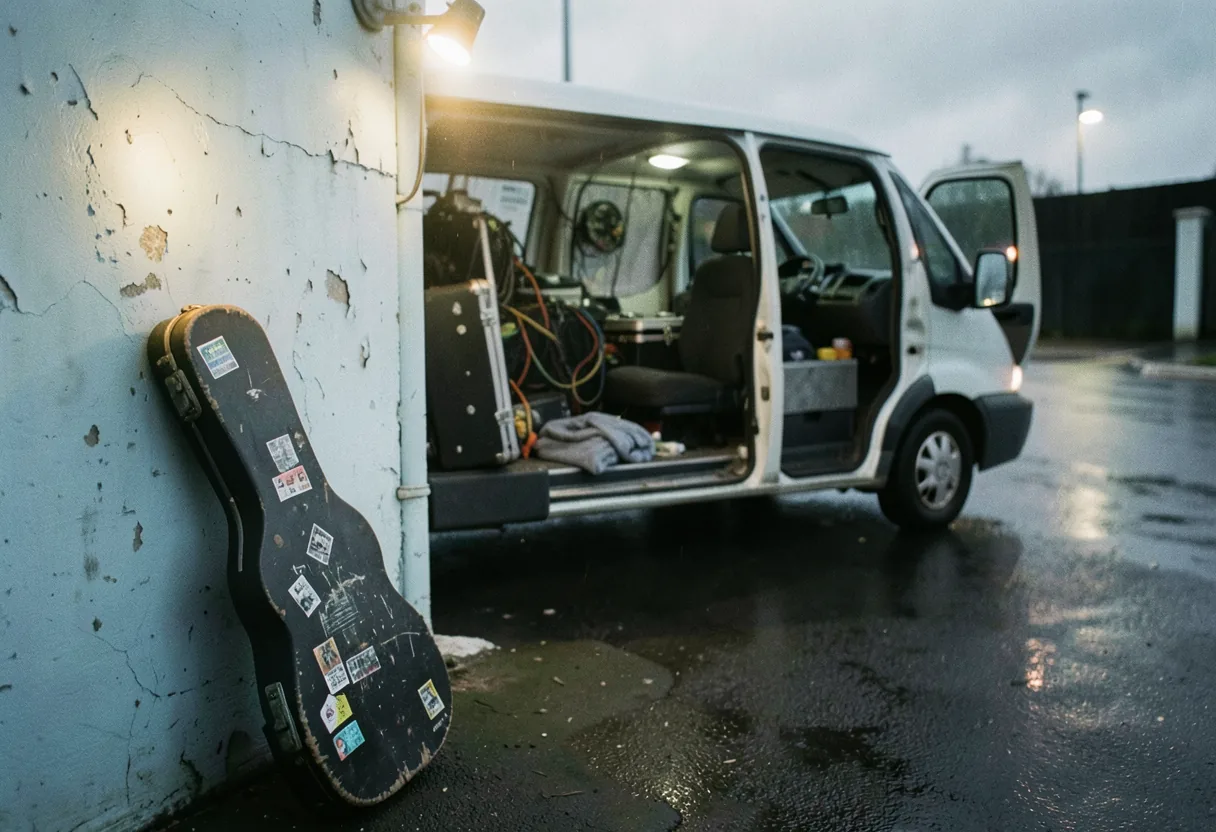
Indie bands typically tour in vans or buses they own or rent, booking venues through networks like Must Read: Essential Touring Guides or directly through venue managers. They may also use indie booking agencies, such as **The Music Industry’s Destination for Show & Tour Booking**, to secure gigs in new markets.
Who is the biggest indie artist right now?
The biggest indie artist right now is **Billie Eilish**, who, despite her massive success, retains creative control over her music and branding. Eilish’s rise to fame demonstrates the power of indie strategies, such as leveraging social media and performing at intimate venues before scaling up.
Other notable indie artists include **Tame Impala**, who started as a solo project before gaining global recognition, and **Phoebe Bridgers**, known for her DIY ethos and intimate live performances. These artists exemplify how indie on the move can lead to mainstream success while maintaining artistic integrity.
To emulate their success, focus on authenticity. Fans connect with indie artists who stay true to their vision. Use platforms like Your Bio Is Your Story: Live Narrative to craft a compelling narrative around your music and tour experiences.
What is the youngest band ever?
The youngest band ever to tour independently is **The Jackson 5**, who began performing professionally in the 1960s. The group consisted of **Michael Jackson (6 years old)**, **Marion Jackson (7)**, **Tito Jackson (8)**, **Jermaine Jackson (9)**, and **Jackie Jackson (10)**. Their early tours laid the groundwork for their future success in the music industry.
Young bands today can learn from The Jackson 5’s example by starting small and focusing on local shows. Use resources like Live Performance and Tour History to document your journey and build a fanbase from the ground up.
Indie on the move reviews
Reviews of indie on the move strategies emphasize preparation and adaptability. Many bands praise the freedom of touring independently but caution that it requires significant effort. For example, The Front Bottoms shared in a Reddit AMA that their early tours involved sleeping in vans and playing small venues, but these experiences strengthened their bond with fans.
To get started, read reviews from other indie artists on platforms like Reddit or music forums. Look for common themes, such as the best tools for booking shows or managing tour budgets. Tools like Band Helper: Tools for Live Shows can streamline the process, helping you focus on the music.
Indie on the move venues
On the move venues range from small bars and coffee shops to mid-sized clubs. The key is to book venues that align with your band’s style and audience. For example, **The Avett Brothers** gained a loyal following by playing dive bars and small theaters before moving to larger venues.
To find the right venues, research local music scenes and reach out to promoters. Websites like **Songkick** and **Bandsintown** list upcoming shows and can help you identify venues that book indie acts. Additionally, networks like **Musicians/Bands & Booking Agents** on platforms like **ReverbNation** can connect you with promoters and venue owners.
Indie on the move cost
Costs for Indie on the Move fluctuate based on the tour’s length, location, and scale. Typically, bands spend **$50 to $200 per day per person** on transportation, lodging, and meals. For example, a four-person band touring for two weeks might budget **$4,000 to $12,000** for the trip.
To manage costs, consider crowdfunding campaigns or merchandise sales. Platforms like **Kickstarter** and **Patreon** can help fund tours, while tools like Newest Project: Launching Your Next Release can guide you through launching and promoting new releases to generate income.
Here’s a breakdown of typical indie on the move costs:
| Expense | Cost Range | Notes |
|---|---|---|
| Transportation | $1,000 – $5,000 | Depends on distance and vehicle type (van vs. bus). |
| Lodging | $500 – $3,000 | Includes hotels, Airbnbs, or couch surfing. |
| Meals | $300 – $1,200 | Budget-friendly options like cooking meals or eating at affordable restaurants. |
| Merchandise | $500 – $2,000 | Cost of producing and selling merchandise like T-shirts and vinyl. |
Indie booking agency
Booking agencies specialize in securing gigs for independent artists. These agencies often have relationships with local promoters and venues, making it easier for bands to book shows. For example, **The Music Industry’s Destination for Show & Tour Booking** connects indie artists with venues across the U.S.
To work with an indie booking agency, research their roster and submission process. Some agencies require demos or live performance videos. Others may offer promotional packages to help you gain visibility.
Alternatively, you can book shows independently using resources like Must Read: Essential Touring Guides or networking with local promoters. Building relationships with venue owners and promoters is crucial for long-term success.
Indie music scene near me
Begin your search for the indie music scene in your area by looking into local venues and promoters. Websites like **Songkick** and **Bandsintown** list upcoming shows and can help you identify active music scenes in your area.
Additionally, join local music groups on platforms like **Facebook** or **Meetup**. These groups often share information about upcoming shows, open mics, and networking events. Attending these events can help you connect with other indie artists and promoters.
For example, the **Indie Music Scene in Austin, Texas** is known for its vibrant live music culture. Venues like **The Mohawk** and **Emo’s** regularly host indie acts, making it a hotspot for emerging artists.
Join the movement: Building a fanbase
Building a fanbase is a critical part of indie on the move. Engage with fans on social media, share behind-the-scenes content, and offer exclusive merchandise or experiences. For example, **The Lumineers** built their fanbase through relentless touring and social media engagement, leading to sold-out shows across the country.
To join the movement, use platforms like Join the Movement: Building a Fanbase to connect with fans and promote your tours. Share your story and involve fans in your journey to create a loyal community around your music.
Here are some steps to build a fanbase:
- Create a compelling bio and share your story on platforms like Your Bio Is Your Story: Live Narrative.
- Engage with fans on social media by sharing updates, photos, and videos from the road.
- Offer exclusive merchandise or experiences, such as meet-and-greets or signed albums.
- Play local shows and network with other indie artists to expand your reach.
Your bio is your story: Live narrative
Your bio is a powerful tool for connecting with fans and promoting your music. Craft a narrative that highlights your journey, influences, and unique sound. For example, **Fleet Foxes**’ bio emphasizes their folk roots and the collaborative process behind their music, resonating with fans who appreciate authenticity.
To create a compelling bio, focus on your story and what sets you apart. Use platforms like Your Bio Is Your Story: Live Narrative to refine your narrative and share it with fans. Include details about your touring experiences, influences, and future goals to give fans a deeper connection to your music.
Here’s a table to help you craft your bio:
| Element | Example |
|---|---|
| Origin Story | “Formed in 2010 in a garage in Seattle, we honed our sound playing small venues and street corners.” |
| Influences | “Inspired by the raw energy of punk rock and the lyrical depth of folk music.” |
| Touring Experiences | “Our 2018 cross-country tour taught us the power of connecting with fans one city at a time.” |
| Future Goals | “We’re excited to release our debut album in 2024 and take our music to new audiences.” |
Newest project: Launching your next release
Launching your next release is a crucial part of indie on the move. Use platforms like **Bandcamp** and **Kickstarter** to fund and promote your new music. For example, **Chvrches** launched their album **Love Is Dead** through a combination of crowdfunding and strategic touring, generating buzz and sales.
To launch your next release, create a marketing plan that includes social media campaigns, merchandise, and live shows. Use resources like Newest Project: Launching Your Next Release to guide you through the process of recording, distributing, and promoting your music.
Here are some steps to launch your next release:
- Record and mix your music with a professional engineer to ensure high quality.
- Create a marketing plan that includes social media, email newsletters, and merchandise.
- Use platforms like **Bandcamp** and **Kickstarter** to fund and promote your release.
- Book shows and tours to support your new music and connect with fans.
To close, indie on the move is a powerful strategy for building a fanbase, refining your live performance, and launching new projects. By focusing on authenticity, strategic planning, and fan engagement, you can make the most of your independent touring journey.
Frequently asked questions
Who is the most educated rock star?
Brian May of Queen holds a Ph.D. in astrophysics from Imperial College London, making him one of the most educated rock stars. He even delayed his graduation for 36 years due to Queen's touring schedule.
Who is the most expensive singer to hire?
Whitney Houston reportedly earned $10 million for a single performance at a private event, making her one of the most expensive singers to hire. Her fees were unmatched in the industry.
What should a band bio include?
A band bio should include the band's origin story, musical influences, key achievements, and a vivid description of their sound. Highlighting notable performances, awards, and unique aspects sets them apart.
Who was Ozzy Osbourne's favorite band?
Ozzy Osbourne has often cited The Beatles as his favorite band. He has mentioned their influence on his music and career, particularly their innovative approach to songwriting and performance.
See also: Live Performance and Tour History.