
Daniel Hayes · on 18 July 2026 · 10 min read · Last reviewed 18 July 2026
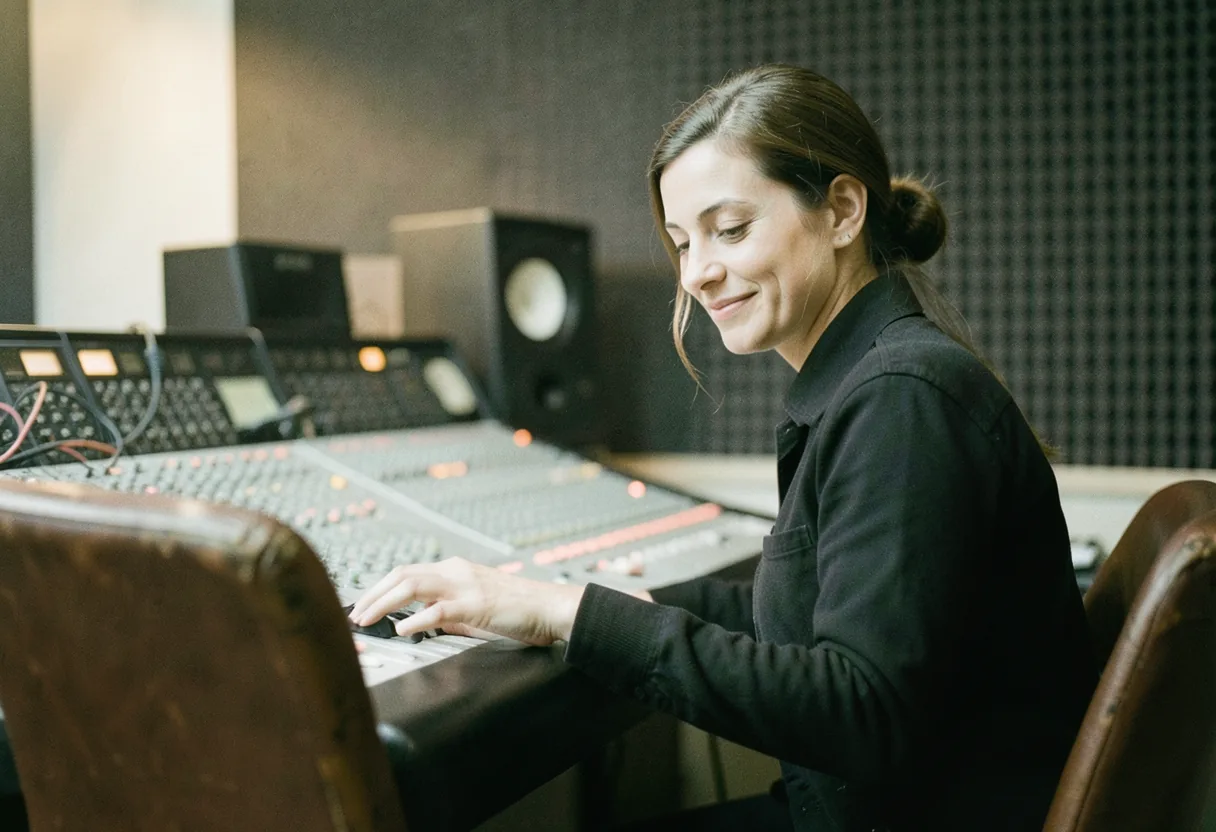
Female music producers are professional music creators who oversee the artistic and technical aspects of recording, blending skills in music theory, technology, and project management to craft the final sound.
In plain terms: Think of a female music producer as the conductor of a musical orchestra, guiding each instrument and vocal to harmonize into a cohesive performance, ensuring the vision of the song comes to life.
Key facts
- Female music producers account for only 2-5% of all music producers globally, according to a 2023 study by the University of Southern California’s Annenberg Inclusion Initiative.
- Notable female music producers include Linda Perry, who has worked with artists like Pink and Christina Aguilera, and Sylvia Massy, known for her work with Tool and System of a Down.
- The first woman to win a Grammy Award for Producer of the Year was Laura Mace in 2000, for her work on the album “Who Will Save Your Soul” by Jewel.
- Female music producers often face significant barriers, including gender bias and a lack of representation in the industry.
Who are some notable female music producers?
Several female music producers have made significant impacts in the industry, such as Linda Perry, who has produced hits for Pink and Christina Aguilera, and Sylvia Massy, known for her work with bands like Tool and System of a Down. These producers have not only created chart-topping music but have also paved the way for future generations of female producers.
What skills are required to become a female music producer?
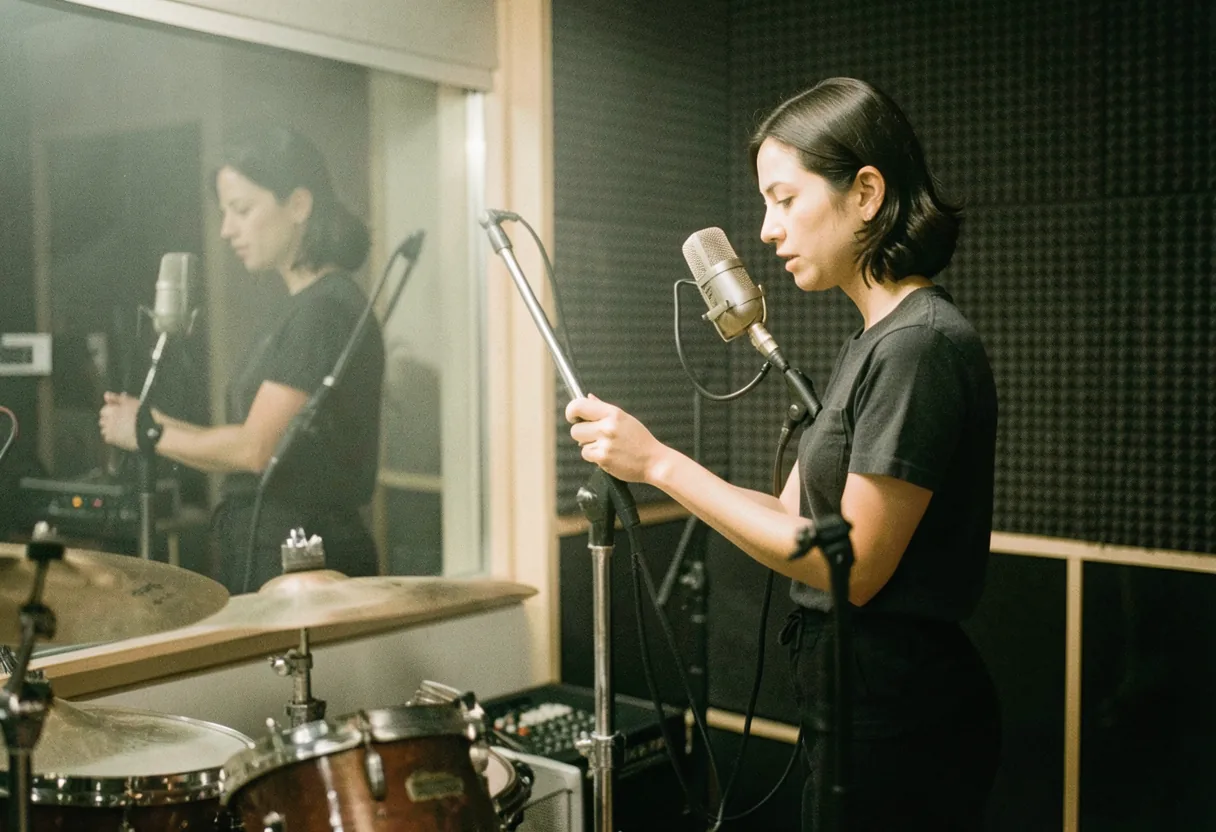
To become a successful female music producer, one needs a blend of technical and creative skills. Technical skills include proficiency in using digital audio workstations (DAWs) like Pro Tools, Logic Pro, or Ableton Live, as well as knowledge of audio engineering principles. Creative skills involve a strong understanding of music theory, composition, and arrangement.
When I first examined the technical side of music production, I was surprised by the complexity involved in creating a single track. From setting up microphones and mixing boards to grasping the details of equalization and compression, the technical aspects are as important as the creative ones.
What challenges do female music producers face?
Female music producers often encounter gender bias and a lack of representation in the industry. According to a 2023 report by the Annenberg Inclusion Initiative, only 2-5% of music producers are women. This underrepresentation can make it difficult for female producers to gain recognition and opportunities.
Additionally, female music producers may face skepticism about their technical abilities and creative vision. Overcoming these challenges requires perseverance, networking, and a strong portfolio of work.
How can aspiring female music producers break into the industry?
To break into the music production industry, aspiring female producers should focus on building a strong portfolio and gaining practical experience. This can be achieved by working on personal projects, collaborating with other artists, and internships at recording studios.
Networking is also crucial. Attending industry events, joining online communities, and connecting with other professionals can open doors to new opportunities.
Key steps to break into the industry
- Develop technical skills by learning DAWs and audio engineering principles.
- Build a portfolio by working on personal projects and collaborating with other artists.
- Gain practical experience through internships and assistant roles at recording studios.
- Network with industry professionals by attending events and joining online communities.
- Seek mentorship from established female music producers.
What resources are available for female music producers?
There are several resources available to support female music producers, including online courses, workshops, and mentorship programs. Platforms like Best Musician App: Top Picks for 2024 offer courses on music production, while organizations like Women’s Audio Mission provide workshops and networking opportunities.
Online communities like the Women’s International Music Network provide a supportive space for female producers to share experiences and resources.
How do female music producers contribute to the music industry?
Music producers who are women bring diverse perspectives and innovative approaches to music production. Their contributions help to expand the creative boundaries of the industry and inspire future generations of female producers.
For example, Linda Perry’s production work has been instrumental in shaping the sound of contemporary pop music, while Sylvia Massy’s innovative techniques have influenced the metal and rock genres.
What is the future of female music producers?
The future of female music producers looks promising, with increasing awareness and efforts to promote gender equality in the industry. Initiatives like the Annenberg Inclusion Initiative’s research and advocacy work are helping to highlight the achievements of female producers and advocate for greater representation.
As more women enter the field and gain recognition, the industry is likely to become more inclusive and diverse, paving the way for even greater contributions from female producers.
How can the music industry better support female music producers?
Promoting gender equality and providing more opportunities for women to showcase their talents can better support female music producers in the industry. This can be achieved through initiatives like mentorship programs, scholarships, and industry events that highlight the work of female producers.
Record labels and music platforms can play a role by actively seeking out and promoting music produced by women.
What are some successful female-produced albums?
Music producers who are women have created several albums that achieved critical and commercial success. For example, Linda Perry produced Pink’s album “Missundaztood,” which sold over 14 million copies worldwide. Sylvia Massy produced Tool’s album “Ænima,” which is considered a landmark in the progressive metal genre.
These albums not only highlight the talent of female producers but also demonstrate their ability to work with a wide range of artists and genres.
How can aspiring female music producers get started?
Aspiring female music producers can get started by investing in a good DAW and learning the basics of music production. They can also take advantage of online courses and tutorials to develop their skills. Building a network of fellow producers and artists can provide valuable support and opportunities for collaboration.
Mentorship from established female producers offers aspiring producers invaluable insights and guidance as they navigate the industry.
What are some common misconceptions about female music producers?
One common misconception about female music producers is that they lack the technical expertise required for the job. This stereotype is unfounded and often stems from gender bias in the industry. In reality, female producers are just as capable as their male counterparts and bring unique perspectives to the table.
Another misconception is that female producers only work with female artists. In truth, female producers work with a diverse range of artists across various genres and styles.
How can female music producers build a strong portfolio?
Building a strong portfolio is essential for aspiring female music producers. To create a compelling portfolio, producers should showcase a variety of projects that demonstrate their versatility and technical skills. This can include original music, collaborations with other artists, and work on personal projects.
Highlight any notable achievements or recognition you have received, such as awards or industry accolades.
Key elements of a strong portfolio
- Diverse range of projects showcasing versatility and technical skills.
- Collaborations with other artists.
- Original music and personal projects.
- Notable achievements and industry recognition.
What are some networking opportunities for female music producers?
Female music producers must connect with industry professionals and gain new opportunities. Attending industry events, such as music conferences and workshops, can provide valuable networking opportunities. Joining online communities and forums, such as the Women’s International Music Network, can also help producers connect with like-minded individuals and share resources.
Seeking mentorship from established female producers can provide valuable insights and guidance as producers navigate the industry.
How can female music producers leverage social media?
Social media platforms like Instagram, Twitter, and LinkedIn can be powerful tools for female music producers to showcase their work, connect with industry professionals, and build a personal brand. Producers can share updates on their projects, behind-the-scenes content, and industry insights to engage with their audience and attract new opportunities.
Promoting events, collaborations, and workshops via social media helps producers expand their network and reach a wider audience.
What should aspiring female music producers learn?
For aspiring female music producers, it’s important to focus on developing technical skills, building a strong portfolio, and networking with industry professionals. Seeking mentorship and leveraging social media can also provide valuable support and opportunities for growth. By persevering and advocating for greater representation, female producers can help to shape the future of the music industry.
In my experience, the key to success as a female music producer is to stay passionate, persistent, and open to learning. The industry may present challenges, but with the right skills, support, and opportunities, female producers can make a significant impact.
What resources are available for female music producers? (in practice)
There are several resources available to support female music producers, including online courses, workshops, and mentorship programs. Platforms like Best Musician App: Top Picks for 2024 offer courses on music production, while organizations like Women’s Audio Mission provide workshops and networking opportunities.
Additionally, online communities such as the Women’s International Music Network offer a supportive environment for female producers to share experiences and resources.
How can the music industry better support female music producers? (in practice)
The music industry can better support female music producers by promoting gender equality and providing more opportunities for women to showcase their talents. This can be achieved through initiatives like mentorship programs, scholarships, and industry events that highlight the work of female producers.
Record labels and music platforms can play a role by actively seeking out and promoting music produced by women.
What are some successful female-produced albums? (in practice)
Several albums produced by female music producers have achieved critical and commercial success. For example, Linda Perry produced Pink’s album “Missundaztood,” which sold over 14 million copies worldwide. Sylvia Massy produced Tool’s album “Ænima,” which is considered a landmark in the progressive metal genre.
These albums not only highlight the talent of female producers but also demonstrate their ability to work with a wide range of artists and genres.
How can aspiring female music producers get started? (in practice)
Aspiring female music producers can get started by investing in a good DAW and learning the basics of music production. They can also take advantage of online courses and tutorials to develop their skills. Building a network of fellow producers and artists can provide valuable support and opportunities for collaboration.
Mentorship from established female producers offers aspiring producers valuable insights and guidance as they navigate the industry.
What are some common misconceptions about female music producers? (in practice)
One common misconception about female music producers is that they lack the technical expertise required for the job. This stereotype is unfounded and often stems from gender bias in the industry. In reality, female producers are just as capable as their male counterparts and bring unique perspectives to the table.
Another misconception is that female producers only work with female artists. In truth, female producers work with a diverse range of artists across various genres and styles.
How can female music producers build a strong portfolio? (in practice)
Building a strong portfolio is essential for aspiring female music producers. To create a compelling portfolio, producers should showcase a variety of projects that demonstrate their versatility and technical skills. This can include original music, collaborations with other artists, and work on personal projects.
Producers should showcase notable achievements or recognition they’ve received, like awards or industry accolades.
Key elements of a strong portfolio
- Diverse range of projects showcasing versatility and technical skills.
- Collaborations with other artists.
- Original music and personal projects.
- Notable achievements and industry recognition.
What are some networking opportunities for female music producers? (in practice)
Networking is crucial for female music producers to connect with industry professionals and gain new opportunities. Attending industry events, such as music conferences and workshops, can provide valuable networking opportunities. Joining online communities and forums, such as the Women’s International Music Network, can also help producers connect with like-minded individuals and share resources.
Experienced producers who are women offer valuable insights and guidance for those working through the industry.
How can female music producers leverage social media? (in practice)
Social media platforms like Instagram, Twitter, and LinkedIn can be powerful tools for female music producers to showcase their work, connect with industry professionals, and build a personal brand. Producers can share updates on their projects, behind-the-scenes content, and industry insights to engage with their audience and attract new opportunities.
A powerful tool, social media helps producers expand their network by promoting events, collaborations, and workshops to reach a wider audience.
Frequently asked questions
Who are some pioneering female music producers?
Ginger Baker and Trina Shoemaker are notable pioneers. Baker, known for her work with Cream, broke gender barriers in the 1960s. Shoemaker, who produced albums for artists like Dolly Parton and the Chicks, became the first woman to win a Grammy for engineering in 1999. Their contributions laid the groundwork for future generations.
How do female music producers contribute to the industry?
Female producers bring diverse perspectives and creativity. For instance, Sylvia Massy produced Tool's self-titled album, influencing modern metal production. Missy Elliott, a rapper and producer, revolutionized hip-hop with her innovative beats. Their work challenges stereotypes and expands the industry's creative boundaries.
What challenges do female music producers face?
Gender bias remains a significant hurdle. Women often face skepticism about their technical skills. A 2018 study by USC Annenberg found that only 2% of music producers were women. Despite progress, many still struggle for recognition and equal opportunities in studios and production companies.
How can the music industry better support female producers?
Increased visibility and mentorship programs help. Initiatives like She Is the Music, founded by songwriters Julia Michaels and Sarah Aarons, aim to advance women in the industry. Providing more opportunities for collaboration and leadership roles can foster a more inclusive environment.
Related Reading
- Music Producer Tools: Software and Hardware
- Pitch Correct: Tuning Vocals Perfectly
- Vocal Chain: Recording Setup Guide
Part of the Musician Tools & Production guide hub.